Nyepi, also known as Bali’s Day of Silence, is one of the most unique cultural and spiritual celebrations in the world. Marking the Balinese New Year based on the Saka calendar, Nyepi is not celebrated with parties, fireworks, or crowds. Instead, the entire island of Bali embraces complete stillness for 24 hours, creating a truly rare and meaningful experience.
On Nyepi Day, everything comes to a stop. The airport is closed, roads are empty, businesses shut down, and even lights are kept to a minimum at night. Both locals and visitors are required to follow the four main restrictions known as Catur Brata Penyepian: no fire or light (Amati Geni), no work (Amati Karya), no travel (Amati Lelungan), and no entertainment (Amati Lelanguan). This collective pause transforms Bali into a peaceful sanctuary unlike anywhere else.
Beyond its cultural uniqueness, Nyepi carries deep spiritual meaning. It is a time for self-reflection, meditation, and inner balance. In today’s fast-paced world, where constant noise and distractions are part of daily life, Nyepi offers a rare opportunity to disconnect and reconnect with oneself. Many people use this time to reflect on the past year, set intentions, and cultivate mindfulness.
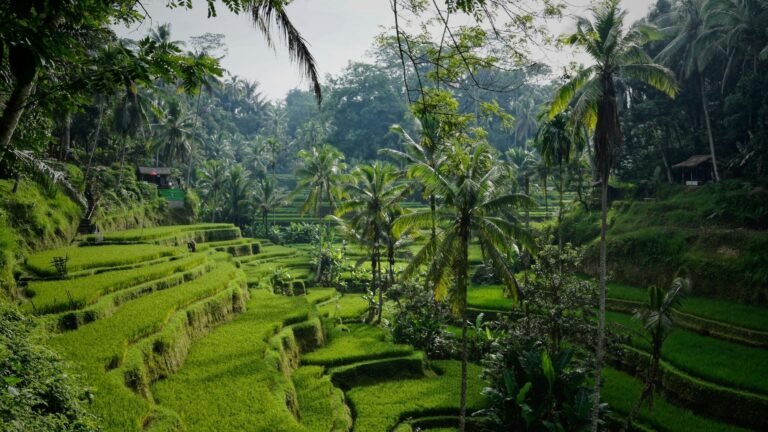
One of the most remarkable positive impacts of Nyepi is its effect on the environment. With no traffic, no flights, and minimal electricity use, air pollution drops significantly. The skies become clearer, temperatures can slightly decrease, and nature feels more alive. At night, the absence of artificial light reveals a breathtaking view of the stars, something rarely seen in busy tourist destinations. Nyepi serves as a powerful reminder of how human activity affects the planet—and how quickly nature can recover when given a break.
Nyepi also strengthens community values and social harmony. The entire island participates in the same practice, creating a strong sense of unity and discipline. Traditional security officers, known as pecalang, ensure that the rules are respected in a calm and respectful way. This shared commitment highlights the deep-rooted cultural values of balance, respect, and harmony that define Balinese life.
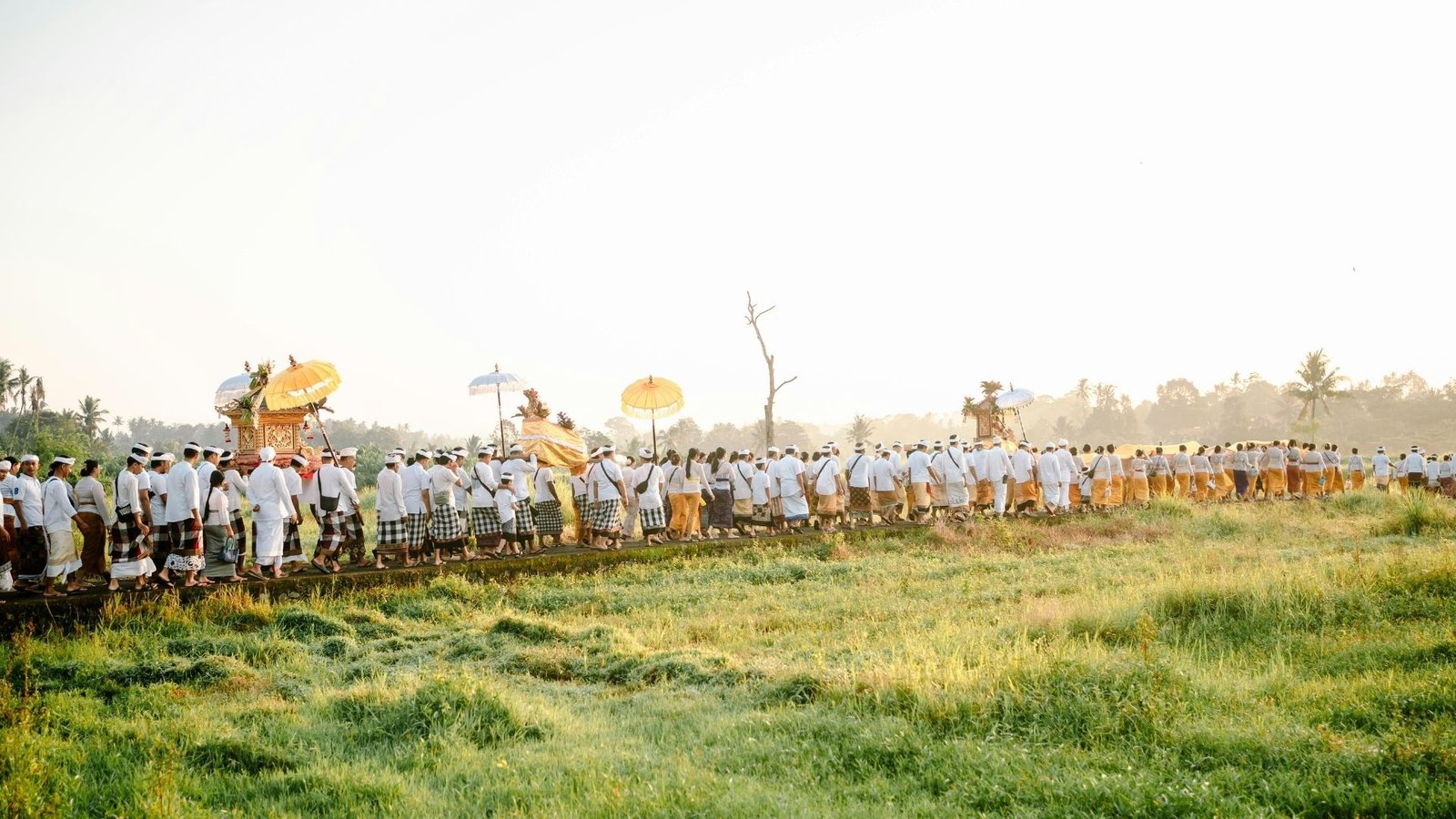
Interestingly, the day before Nyepi is filled with vibrant energy. The Ogoh-Ogoh parade takes place across villages, where large, artistic statues representing negative forces are carried through the streets accompanied by traditional music. These statues are often burned as a symbol of purification, clearing negative energy before entering the new year. This dramatic contrast—from lively celebration to complete silence—makes the experience of Nyepi even more profound.
For travelers, experiencing Nyepi in Bali can be unforgettable. It is a rare chance to witness an entire island pause in unison and to feel a deeper, more spiritual side of Bali that goes beyond its beaches and attractions. While it may require some adjustment, many visitors find the experience calming, eye-opening, and deeply meaningful.
In essence, Nyepi is not just about silence or restriction. It is about balance—between humans and nature, between activity and stillness, and between the outer world and inner reflection. In a world that rarely slows down, Nyepi teaches us the value of stopping, breathing, and simply being.